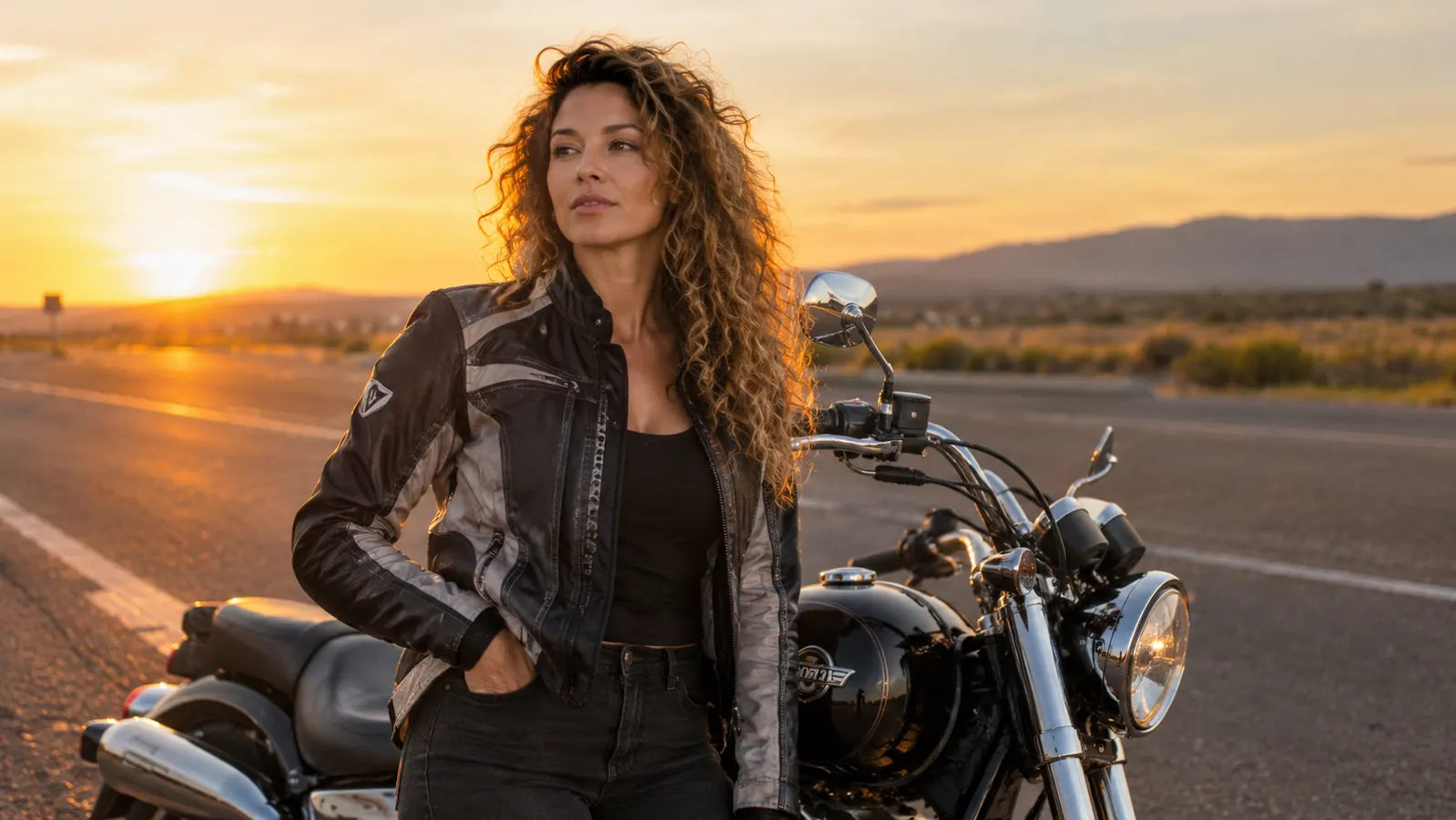
I have a confession. For years I rode in a leather jacket that I loved and that did not love me back. It looked great at the Saturday breakfast ride, but by noon in the Central Valley it felt like a sauna with sleeves, and by mile 200 of a long day my lower back was staging a protest. So when I started looking for a jacket that could handle both the heat and the long haul, I kept coming back to the HWK Motorsports Apparel adventure jacket for women. I have now worn it for a full season of weekend rides, one 1,400-mile trip up the coast and back, and enough hot afternoons to lose count. This is the long-term review I wish I had read before I bought it.
The short version: the HWK Motorsports Apparel women's adventure jacket is not a piece of show gear. It is a working jacket with real armor, real ventilation, and a fit that actually accounts for hips and chest instead of just shrinking a men's cut. It also has a few honest weaknesses, and I will get to those. But if you ride a cruiser or a standard, do most of your miles in warm weather, and want one jacket that does not make you choose between protection and comfort, this one deserves a hard look.
The Quick Verdict
A well-ventilated, armored textile jacket that handles summer heat and long days far better than leather, with a few fit and finish tradeoffs you should know about before you buy.
Amazon Check Today's Price →Ready for a jacket that breathes on the hot days?
The HWK women's adventure jacket has been my go-to for a full season of riding. See today's price and current color options on Amazon.
Amazon Check Today's Price on Amazon →How I've Used It
I am Carla, and I have been riding for about 22 years, most of them on my Harley-Davidson Heritage Softail. I live in Bakersfield, where summer is not a season so much as a dare. My riding is mostly weekend group rides with a small local club, plus one or two longer multi-day trips a year on highways in California and neighboring states. My husband Ray rides his own bike, and we are the kind of people who plan a route around where the shade is at noon.
I wore the HWK Motorsports Apparel jacket on every ride for about six months. That included a 1,400-mile trip up the coast, where I hit fog in the morning and inland heat by the afternoon, plus countless shorter rides where the temperature swung from the mid-60s to the mid-90s. I washed it once by hand, I hung it to dry, and I paid attention to how it felt at hour three and hour six, not just in the driveway. I also wore it in a light rain for about 40 minutes, which is not something I planned but is something that happened.
That covered a real range of riding. Short trips into town for groceries, Saturday club rides of a hundred and fifty miles or so, and one three-day trip where we rode into cooler air near the coast and back into valley heat on the way home. I wore it in the early morning with the vents closed and a fleece underneath, and in the middle of the afternoon with every zipper open. If a jacket only works in one kind of weather, six months of that will find it out quickly, and that is exactly why I wanted to live with it before writing about it.
What I was looking for was simple: a jacket I would actually put on. Protection only works if you wear it, and I have owned too much gear that lived in the closet because it was too hot, too stiff, or too awkward. The HWK jacket needed to earn its place on the back of my chair, not just in my gear bag.
Fit and Comfort: The Part That Surprised Me
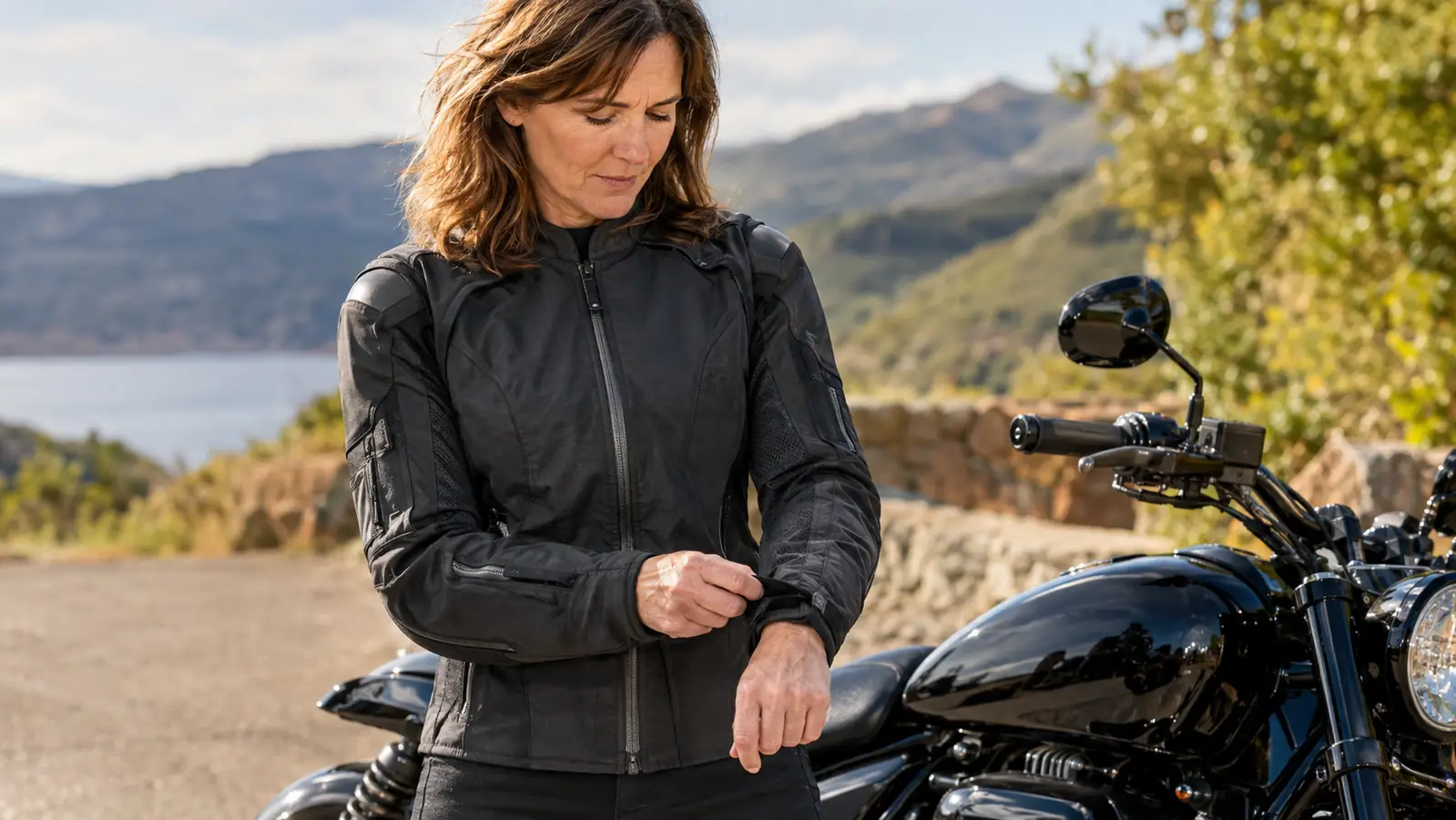
The first thing I noticed was the cut. So many women's motorcycle jackets are just men's jackets with a smaller label and a higher price. This one is shaped differently. The shoulders are not overly padded, the chest has actual room, and the waist does not cut in so hard that you cannot layer a fleece underneath. I am 5'6" and about 150 pounds, and the medium fit me well over a thin base layer, with room for a light mid-layer on cooler mornings. If you are between sizes, I would size up if you want to layer for winter, because the fit is trim, not baggy.
The comfort detail that mattered most to me was the collar. I have worn jackets where the collar rubbed my neck raw by the end of the day. The HWK collar is soft, sits low enough to stay out of the way, and does not have a scratchy tag stitched into the back of your neck. That sounds like a small thing. It is not a small thing at hour five.
The other surprise was how little the jacket fatigued me. My lower back gets stiff on long days, and a heavy jacket makes that worse. The HWK jacket is not the lightest jacket I have ever owned, but the weight is distributed well, and the 600D Cordura shell does not feel like a lead apron. By the end of the 1,400-mile trip, I was tired in the way you expect to be tired after a long ride, but not because of the jacket.
Part of that is weight. The HWK jacket is noticeably lighter on my shoulders than my old leather jacket, and on a long day that difference adds up. By late afternoon on a heavy jacket, I start to feel it in my neck and upper back, and I catch myself rounding my shoulders on the bike. With this jacket I sit up straighter for longer, which also helps my lower back. I did not expect a jacket to make a difference in back comfort, but after a few long rides I was convinced it was not my imagination.
Ventilation and Heat: Where It Earns Its Keep
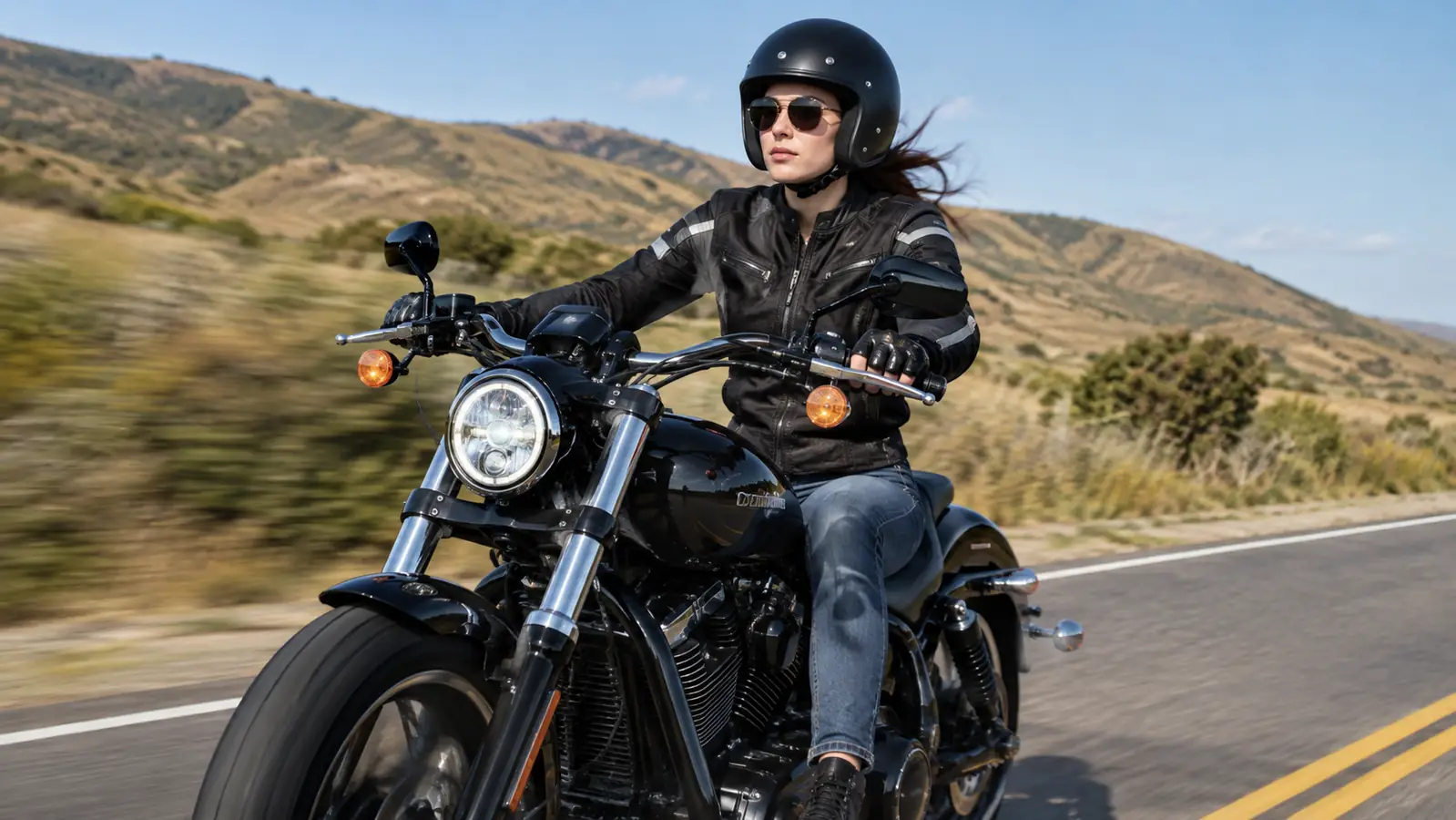
Here is the honest truth about riding in Bakersfield: if a jacket does not breathe, it does not get worn. The HWK adventure jacket has zippered vents on the chest, the arms, and the back, and they are not decorative. On a 95-degree afternoon, I could feel the difference when I opened the chest and sleeve vents. It is not air conditioning, and I want to be clear about that. No textile jacket is going to feel like a mesh jersey at highway speed. But compared to my old leather jacket, the HWK jacket was dramatically cooler, and I stopped arriving at the breakfast ride looking like I had run there.
The back vent is the one I was most skeptical about, because back vents on some jackets are just a zipper over a solid panel. On this jacket, the back vent actually opens to a mesh lining, and I could feel air moving across my back on the highway. That is the difference between a vent that exists and a vent that works.
In cooler weather, the jacket also did fine. With the vents closed and a fleece underneath, I rode comfortably down into the mid-50s. I would not call it a winter jacket, and I will get to that in the tradeoffs, but for the three-season riding most of us actually do, the range is impressive.
On the coldest morning of the trip, it was in the low fifties when we left the motel, with damp fog hanging over the road. With the vents zipped shut and a fleece underneath, I was comfortable for the first hour until the sun burned through. Then I pulled over, took off the fleece, rolled it into my saddlebag, and opened the chest vents. That kind of flexibility is the reason I have stopped switching between two jackets on trips. One jacket, a couple of layers and a few zippers handle nearly everything I ride in.
Protection and Armor: What You Are Actually Getting
The HWK women's adventure jacket comes with armor in the shoulders, elbows, and back. The armor is removable, and the back piece is a basic pad. I want to be straight with you about the back pad: it is a comfort pad more than a serious impact protector. You can swap in a dedicated back protector if you want more protection. I did exactly that, and the pocket accommodates an upgrade without any fuss.
The 600D Cordura shell is the other part of the protection story. Cordura is a tough, abrasion-resistant nylon, and 600D is a solid weight for street and touring use. This is not a track jacket, and I would not pretend it is. But for the riding most of us do, the combination of a Cordura shell and armor in the impact points is a meaningful step up from a fashion jacket or an unarmored textile.
I also appreciated the reflective panels. I do a lot of riding in the late afternoon, and anything that helps a driver see me is worth the price of admission. The reflective material is subtle in daylight and bright when headlights hit it, which is exactly what you want.
The Long-Term Test: What Held Up and What Did Not
After six months of regular use, the HWK jacket has held up well overall. The zippers still run smooth, the vents still close tight, and the Cordura shell shows no fraying or thinning. I washed it once by hand with a mild detergent, and it dried without shrinking or losing its shape. The armor stayed in place, and the hook-and-loop closures on the sleeve cuffs still grip the way they should.
The one thing that did not hold up perfectly was the stitching on the inside of one sleeve cuff. It is a cosmetic issue, not a structural one, and it has not gotten worse over time. But it is the kind of detail I would expect a manufacturer to catch, and it is worth mentioning because you deserve the full picture.
The other long-term note is the rain. I wore the jacket in a light rain for about 40 minutes, and it kept me dry for the first part of that. Eventually, water found its way in through the front zipper. That is not a failure of the jacket, because this is not a waterproof jacket and HWK does not claim it is. But if you ride in serious rain, you will want a rain shell over it or a dedicated waterproof jacket. I would rather have the ventilation and add a rain layer than carry around a jacket that is waterproof and suffocating.
What I Liked
- Real ventilation that you can actually feel, especially the back vent
- Removable armor in shoulders, elbows and back
- Women's-specific cut with room in the chest and hips, not a shrunken men's jacket
- Tough 600D Cordura shell that has held up well through a full season
- Reflective panels that genuinely help visibility in low light
- Comfortable collar that does not rub your neck raw on long days
Where It Falls Short
- The back pad is basic, not a dedicated back protector
- Not waterproof; the front zipper lets water in during steady rain
- Stitching on one sleeve cuff started to come loose after a few months
- Fit is trim, so you may need to size up for cold-weather layering
On a 95-degree afternoon, I could feel the difference when I opened the chest and sleeve vents. That is the difference between a vent that exists and a vent that works.
Who This Is For
The HWK women's adventure jacket is for the rider who wants one jacket that does most jobs well. If you ride a cruiser, a standard, or an adventure bike, and you do most of your miles in warm to hot weather, this jacket is a strong fit. It is also a great choice if you are moving up from a fashion jacket or an unarmored textile and want real protection without spending leather-jacket money.
It is especially good for women who have struggled with fit. If you have tried on men's jackets and found the shoulders too wide or the hips too tight, the women's-specific cut of the HWK jacket is worth your time. And if you ride in a place where the temperature swings from cool morning to hot afternoon, the vent system gives you a range that a solid leather jacket simply cannot match.
Who Should Skip It
If you ride in serious rain on a regular basis, this is not the jacket for you. It is not waterproof, and no amount of vent-closing will make it so. You would be better served by a dedicated waterproof jacket or a rain shell you can wear over it.
If you want maximum impact protection, especially in the back, you should also look elsewhere or budget for a back protector. Riders who want track-level protection should buy a jacket with a higher-grade back protector built in. And if you ride mostly in cold weather, this is a three-season jacket, not a winter jacket. You can layer under it, but for freezing mornings you will want something heavier.
Still deciding? See what the HWK jacket costs today.
After a full season, I would buy the HWK women's adventure jacket again. Check today's price on Amazon and see if it is the right fit for your riding.
Amazon Check Today's Price on Amazon →